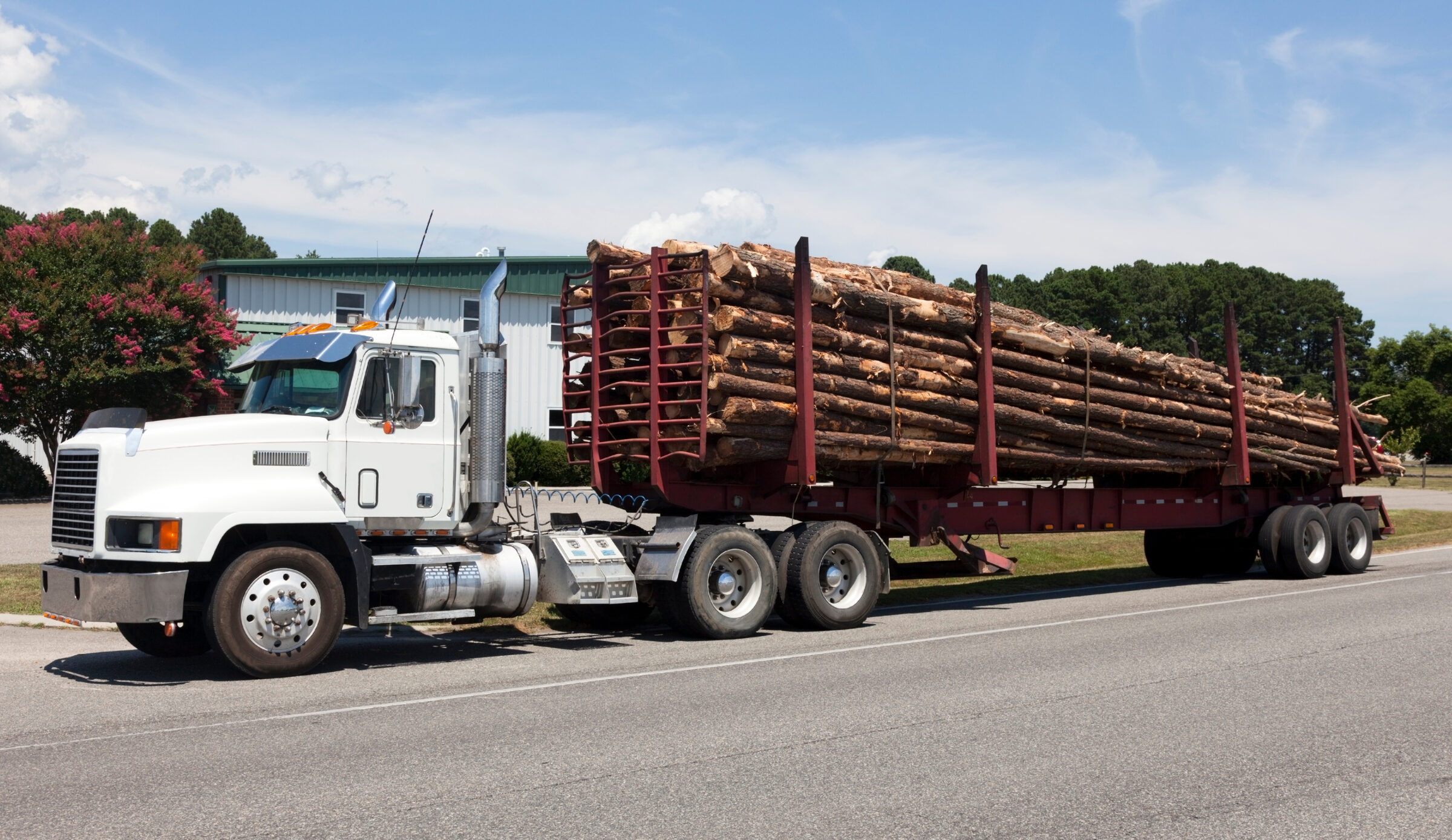
“Log truck insurance” sounds like one thing, but it’s really a stack of coverages doing different jobs. Knowing the difference helps you carry the right limits — and avoid a gap that shows up at the worst possible time.
Liability vs. physical damage
The most important distinction:
- Commercial auto liability pays for injury or damage your truck causes to other people when your driver is at fault. It’s the coverage mills and landowners require, and it’s the most exposed line you carry.
- Physical damage pays to repair or replace your own truck and trailer after a wreck, fire, or theft. It’s optional unless a lender requires it — but a loaded log truck is a big asset to leave uninsured. See log truck physical damage.
The pieces that come with it
- Combined single limits sized to meet your contracts.
- Hired & non-owned auto, extending liability to trucks you rent or borrow.
- Filings & certificates — MCS-90, state filings, and the COIs your mills ask for.
- Trailer interchange when you pull trailers you don’t own.
What it doesn’t cover
Your equipment on the landing (loaders, skidders) and your general liability exposure are separate policies — logging equipment and loggers general liability. A good program coordinates all of it so nothing falls through the cracks.
Want a policy built around your trucks, drivers, and routes? Find a Longleaf® agent or read more on log truck insurance.
← All posts